 Apipasta with vitamins 15kg
 Beecomplet® Spring 14Kg
 Beekeeper suit with round veil
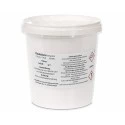 Oxalic acid 1kg
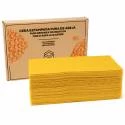 Beeswax Foundation 5kg
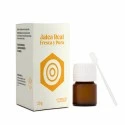 Fresh royal jelly 20g
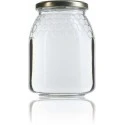 Classic honey jar 1kg comb-lines TO77 - Pack of 16 units
 Promotor L Apis 1 litre

 Share in WhatsApp
80 mm MINIMUM PFUND COLOUR | 900 g THE JAR |
SLOW CRYSTALLISATION | SPAIN DECLARED ORIGIN |
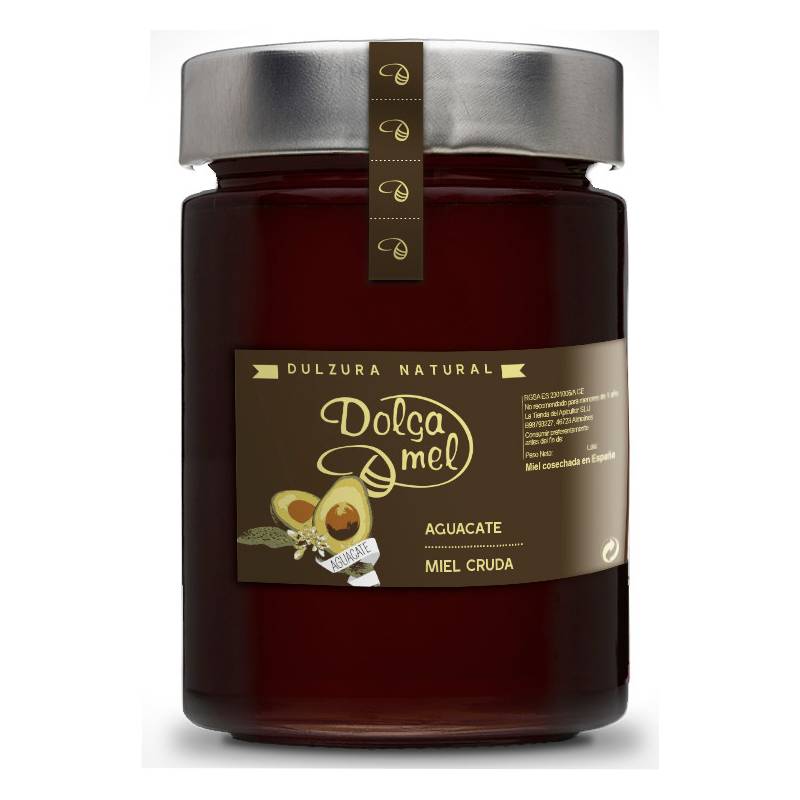
Spanish avocado honey in a 900 g jar: very dark, almost black amber, floral and fruity on the nose, sweet with a salty edge.
First things first, because it throws everybody: it does not taste of avocado. Its character comes from the nectar of the blossom, not the fruit.
01 · WHAT IT TASTES LIKE
This is an intense, unconventional honey: sweet on the attack, fruity in the middle and with a salty counterpoint that sets it apart from any pale breakfast honey. People who try it reach for the word molasses. And there is a useful difference from the other dark honey in the range, forest honey: that one has a malty, toasted-cereal base; this one does not. Here it is fruit and salt. Try it on its own the first time, then use it as a contrast: mature cheeses, plain yoghurt, dressings. Added at the end of a dish it keeps its aroma far better than if you cook it.
02 · WHY IT ARRIVES RUNNY
Every unpasteurised honey crystallises in the end; this one takes a long time, so receiving it liquid is the norm. Worth saying, because there is a notion going round that thick honey is good and runny honey is suspect, and it is not so: how fast a honey sets depends on its floral origin, not on its quality. Shade, fluidity and aroma intensity also vary from harvest to harvest, and that is not a fault either — it is what happens with a product from one specific bloom and one specific lot.
03 · HOW IT IS IDENTIFIED
A detail that explains why this honey is analysed differently: avocado pollen is under-represented in the honey, so counting pollen grains is not enough to certify it. The marker used is perseitol, a sugar characteristic of the plant. That is why avocado honey is not identified by eye or by colour alone: it rests on the sensory profile and on that marker. The packer’s sheet sets a minimum colour of 80 mm on the Pfund scale for this lot, which is the reference for «very dark».
04 · BEFORE YOU BUY
This is a raw honey: it is not pasteurised. It is bottled with controlled heat and filtering — just enough for it to flow and come out clean — which is not the same as pasteurising. And that is where the point above comes from: an unpasteurised honey crystallises, sooner or later. Keep the jar closed, cool, dry and away from sunlight, and always use a clean, dry spoon.
| ✓ FITS | Anyone after a dark honey with character, and contrast on cheese, yoghurt and dressings. |
| ✕ DOESN’T FIT | Anyone after a mild, pale breakfast honey. |
⚠ PRECAUTIONS
As with any honey, it must not be given to children under 12 months.
| Denomination | Avocado honey |
|---|---|
| Declared origin | Spain |
| Format | 900 g jar |
| Colour | Very dark amber, minimum 80 mm Pfund |
| Aroma | Floral and fruity |
| Flavour | Sweet with salty notes, no malty base |
| Crystallisation | Slow |
| Processing | Raw, unpasteurised · bottled with controlled heat and filtering |
| Storage | Closed, cool, dry and out of direct light |
1 file available

check_circle
check_circle